Moisture
Showers, cooking and drying clothes add moisture. Managing it early helps reduce condensation and mould.

Good indoor air is about more than simply bringing in fresh air. Moisture, pollutants, temperature, occupancy and the way a home is ventilated all affect how healthy and comfortable it feels.
These are the main things to understand when looking at indoor air quality in a New Zealand home.
Showers, cooking and drying clothes add moisture. Managing it early helps reduce condensation and mould.
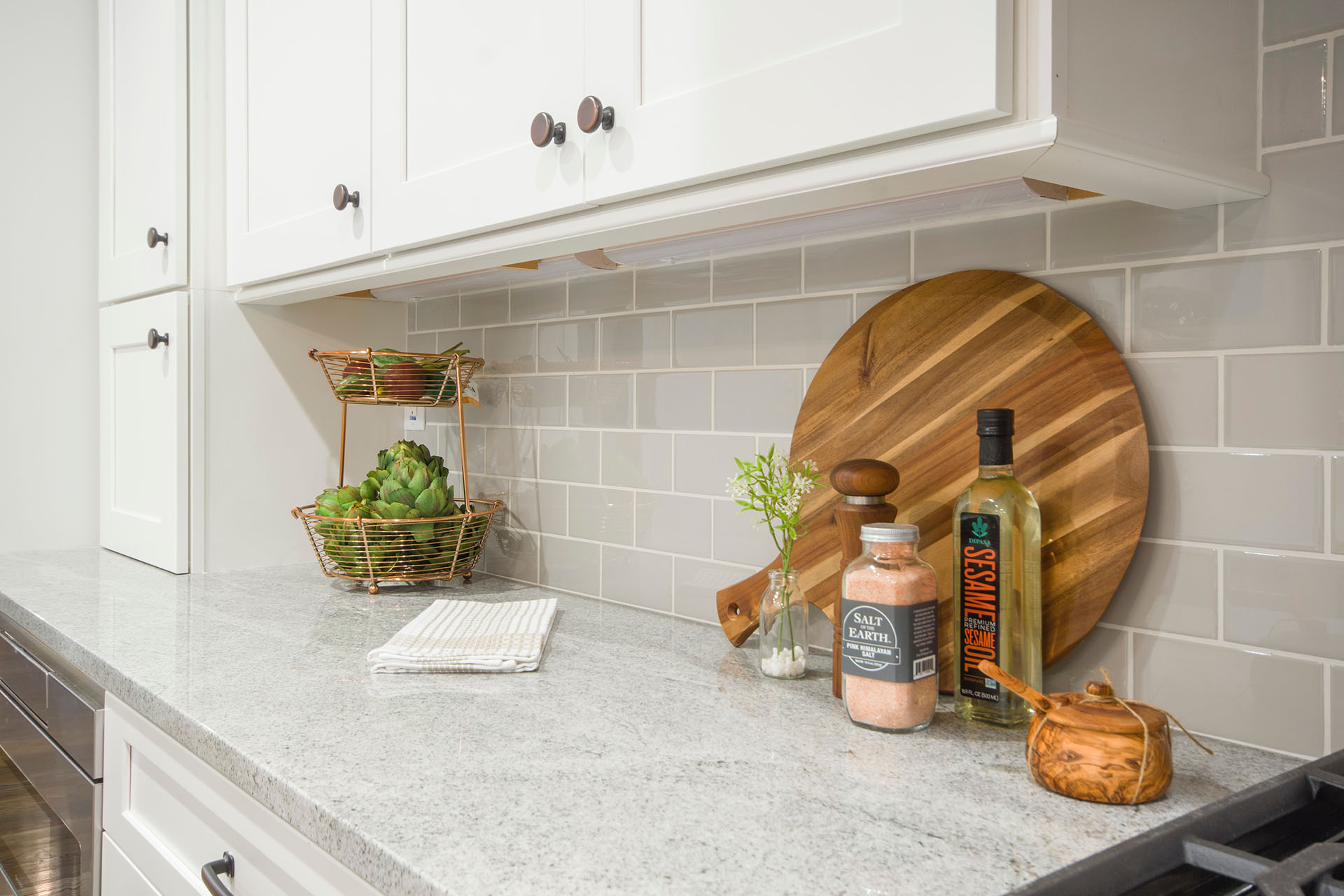
VOCs, cooking emissions, particles and other pollutants can affect air quality even when there is no obvious smell.

Occupied rooms need fresh air. Good ventilation provides it without relying entirely on occupants opening windows.
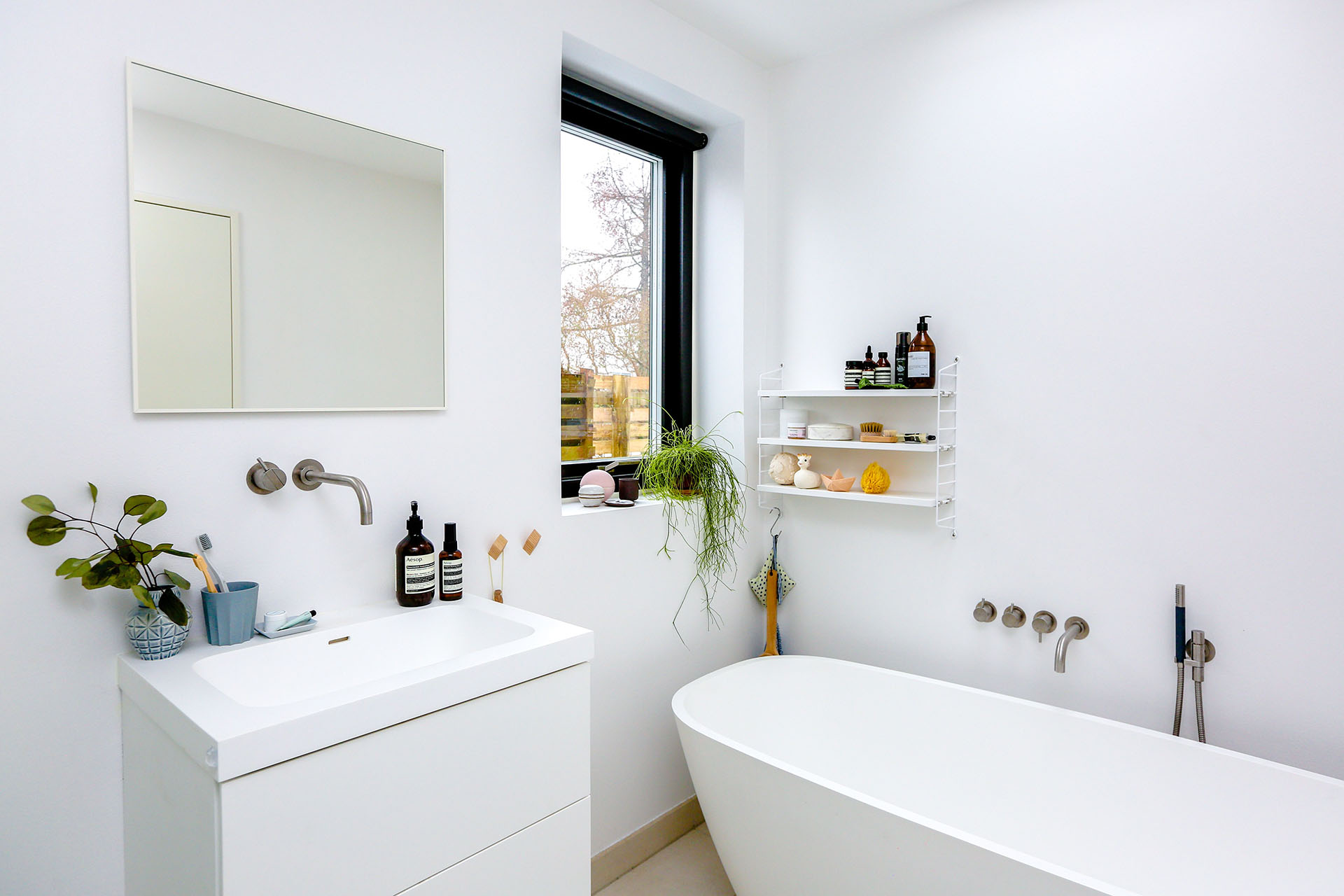
Remove moisture and pollutants close to where they are created — particularly in bathrooms, kitchens and laundries.
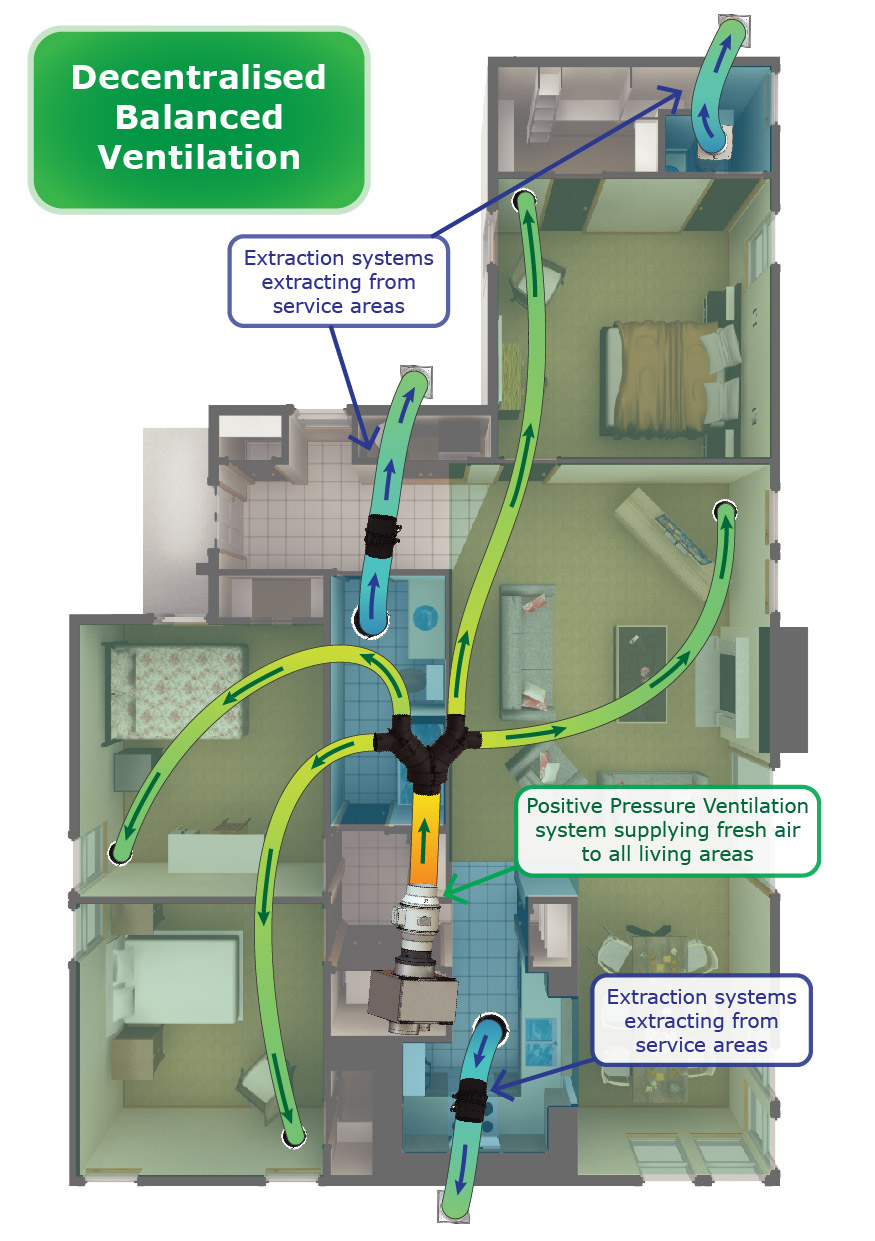
The right system depends on the building, rooms, airflow paths, occupancy and how the home is used.

Sensors and variable-speed fans can respond to changing indoor conditions instead of treating every hour the same.
Think about the home as a system rather than choosing a fan first.
If you've ever spoken to neighbours who live in similar houses, you may have noticed something surprising. One home suffers from condensation every winter, while the house next door remains dry and comfortable. One family struggles with mould behind wardrobes, while another experiences none.
Every home behaves differently. Indoor Air Quality is influenced by climate, building design, occupancy, heating habits, ventilation, insulation, orientation to the sun and the lifestyle of the people living inside.
New Zealand's mild but humid climate creates unique challenges. Modern homes are better insulated and more airtight, but this also means moisture generated inside—from cooking, showering, drying clothes and even breathing—stays inside unless actively removed.
Key message: Ventilation is not the objective. Healthy Indoor Air Quality is the objective.
Absolute humidity is the total amount of water vapour in the air. Relative Humidity (RH) compares the amount of moisture present with the maximum the air can hold at that temperature. Warm air holds more moisture, so RH changes as temperature changes.
The dew point is the temperature at which air becomes saturated. When a surface falls below the dew point, water vapour condenses into liquid. This is why condensation appears on windows, uninsulated pipes and cold walls.
Windows are often the coldest surface in winter and act as an early warning sign. The moisture on glass is evidence that excess humidity already exists throughout the home.
Key message: Do not chase condensation. Control humidity before the dew point is reached.
Many indoor pollutants are invisible and odourless. Modern homes contain hundreds of airborne contaminants that can affect comfort and health without obvious warning signs.
Volatile Organic Compounds (VOCs) are gases released from furniture, carpets, paints, cleaning products, air fresheners and building materials. Even at low concentrations, they reduce perceived air quality.
Cooking emissions release grease, moisture, odours and fine particles (PM2.5). Effective extraction removes these before they circulate.
Carbon dioxide (CO₂) builds up in occupied rooms with poor ventilation, leading to stuffiness and tiredness.
Key message: You cannot manage what you do not measure. Intelligent IAQ begins with understanding what is happening inside the home.
Traditional fixed-speed ventilation runs continuously, regardless of whether the home actually needs it. Demand-Controlled Ventilation (DCV) automatically adjusts airflow based on measured indoor conditions—humidity, temperature and VOCs.
When humidity rises after a shower, airflow increases. During cooking, VOC levels and moisture trigger extra ventilation. As conditions return to healthy levels, fan speeds reduce to save energy.
EC (electronically commutated) motors allow smooth, efficient variable-speed operation, ideal for intelligent systems.
Key message: Measure the environment. Respond automatically. Ventilate only when your home needs it.
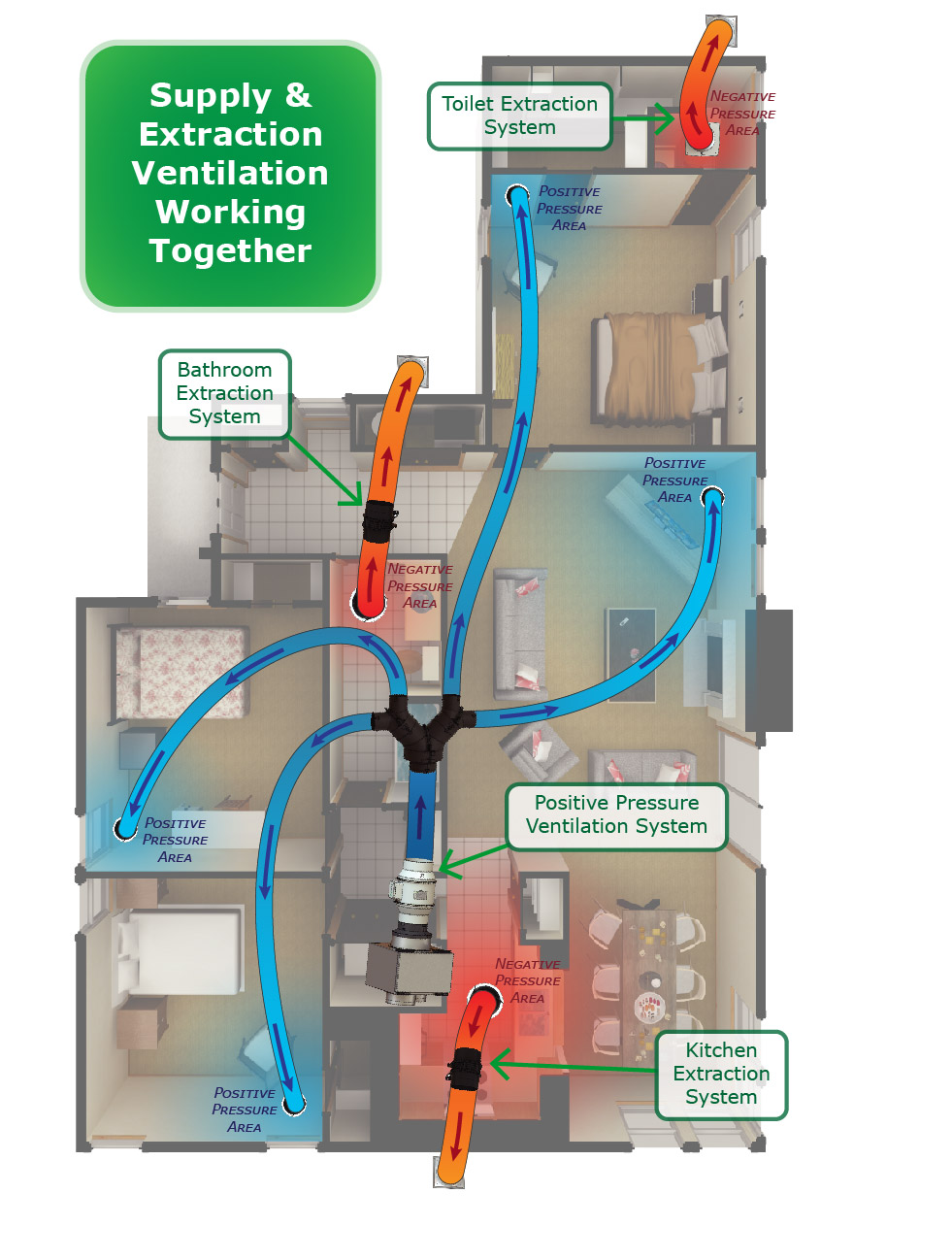
Decentralised ventilation uses smaller units positioned close to where they are needed, rather than a large central duct network. This suits renovations, apartments, townhouses and modern builds where installing extensive ductwork is impractical.
Each room can be ventilated according to its own requirements: bedrooms for overnight occupancy, bathrooms for rapid moisture removal, living areas for changing pollutant loads, and kitchens for cooking emissions.
Key message: The future of residential ventilation is not simply moving more air—it is delivering the right amount of clean, fresh air to the right place at the right time.
Bathrooms – hot showers create high humidity. Effective extraction removes moist air at source and continues until levels return to normal.
Kitchens – cooking produces steam, grease, VOCs and fine particles. Rangehoods that vent outdoors are most effective.
Laundries – drying clothes indoors releases significant moisture. Extraction prevents humidity from migrating to other rooms.
Garages – vehicle exhaust, solvents and fumes should be extracted before they enter living spaces.
Key message: Extract moisture and pollutants where they are created, then use intelligent ventilation to maintain healthy IAQ throughout the home.
Key message: Good IAQ is not about doing more. It is about doing the right thing at the right time.
Step 1 – Understand the building – age, insulation, glazing, airtightness, orientation, occupancy.
Step 2 – Identify moisture sources – showers, cooking, drying, houseplants, occupants.
Step 3 – Identify pollutants – VOCs, CO₂, cooking particles, smoke, allergens, garage fumes.
Step 4 – Understand occupancy patterns – how many people, which rooms are used, lifestyle factors.
Step 5 – Select the right ventilation strategy – fresh air supply, extraction, DCV, decentralised, filtration, sensing.
Step 6 – Measure, don’t guess – use sensors to monitor RH, temperature, VOCs, CO₂ and respond intelligently.
Engineering insight: Don’t design ventilation around the fan. Design it around the people living in the home.
Meet the Smith family – a typical Auckland household.
6:00 am – While everyone sleeps, each person releases heat, moisture and CO₂. With doors and windows closed, humidity and CO₂ slowly rise. The bedroom feels stale by morning.
7:00 am – Showers send humidity soaring. Good extraction removes moisture before it spreads to hallways and bedrooms.
8:00 am – Boiling kettles and cooking release steam, odours and VOCs. Effective kitchen extraction prevents these from circulating.
9:00 am – House empties. A traditional system continues running at the same speed; intelligent ventilation adjusts airflow automatically.
3:30 pm – Family returns, cooking starts, bathrooms used – humidity and pollutants rise again.
6:00 pm – Living room becomes busiest area, fresh air requirements change.
10:00 pm – Cycle begins again.
Key takeaway: IAQ is dynamic. The most effective systems respond automatically to these changes rather than relying on fixed timers.
Problem: Condensation on windows, musty wardrobes, mould behind furniture, cold bedrooms.
Assessment: Moisture from showers, cooking and indoor clothes drying was trapped. Poor air movement and limited extraction.
Solution: Improved bathroom extraction, fresh air to bedrooms, humidity monitoring, demand‑controlled ventilation.
Lesson: The primary issue was uncontrolled indoor humidity, not insufficient heating.
Problem: Stale bedrooms, occasional condensation, lingering cooking odours.
Assessment: High insulation and airtightness retained moisture and pollutants.
Solution: Controlled fresh air, DCV, kitchen extraction, IAQ sensing (humidity + VOCs).
Lesson: New homes still need ventilation. Energy efficiency does not automatically create healthy indoor air.
Problem: Tenant complaints of mould in bedrooms and bathroom condensation.
Assessment: Inadequate extraction; moisture spreading through the dwelling.
Solution: Upgraded source extraction, improved fresh air pathways, automatic controls.
Lesson: Removing moisture at source is often the most cost‑effective improvement.
Problem: Comfort varied between spaces, winter condensation on glazing, IAQ changed with occupancy.
Assessment: Large volumes and changing occupancy required flexible airflow.
Solution: Zone-based decentralised ventilation with intelligent sensing and variable‑speed EC motors.
Lesson: Good IAQ design considers how the building is used, not just its size.
Key message: Understanding IAQ terminology helps homeowners, builders and designers make better decisions about ventilation and healthy home design.
Condensation forms when warm, moisture-laden indoor air contacts a surface below the dew point. The water on glass is a symptom of excess indoor humidity. Reducing moisture through effective ventilation and extraction is more effective than simply wiping the windows.
For most New Zealand homes, maintaining indoor relative humidity between approximately 40% and 60% provides a comfortable environment while reducing the likelihood of condensation, mould growth and dust mite activity.
Opening windows can temporarily reduce humidity, but it relies on occupant behaviour, outdoor weather conditions and security considerations. It is not a consistent long-term Indoor Air Quality strategy.
Mould requires moisture to grow. Cleaning visible mould removes the symptom, but unless the underlying humidity problem is addressed it is likely to return. Effective moisture management is essential.
The answer depends on indoor conditions rather than the clock. Intelligent demand-controlled ventilation automatically adjusts airflow to match humidity, pollutants and occupancy, reducing unnecessary energy use.
Volatile Organic Compounds (VOCs) are gases released from products such as paints, furniture, flooring, cleaning chemicals and adhesives. Monitoring VOCs provides a broader understanding of Indoor Air Quality than humidity alone.
Bathrooms and kitchens generate concentrated moisture and pollutants. Removing them at their source prevents them spreading throughout the home and reduces the overall ventilation load.
Demand-controlled ventilation automatically adjusts airflow according to measured indoor conditions such as humidity, temperature and VOC levels, rather than operating continuously at one speed.
Yes. Bedrooms with better ventilation often feel fresher because excess humidity, stale air and indoor pollutants are reduced overnight.
EVOAQ focuses on Indoor Air Quality rather than simply ventilation. Intelligent sensing, demand-controlled airflow, EC motor technology and decentralised ventilation allow the system to respond automatically to changing indoor conditions.
Indoor Air Quality is achieved by understanding the causes of moisture and pollutants, then responding intelligently rather than relying on fixed ventilation schedules.
EVOAQ can help you design a ventilation strategy around the building, the rooms and the way the home is used.
Explore Ventilation Design